Commercial Waste Carshalton

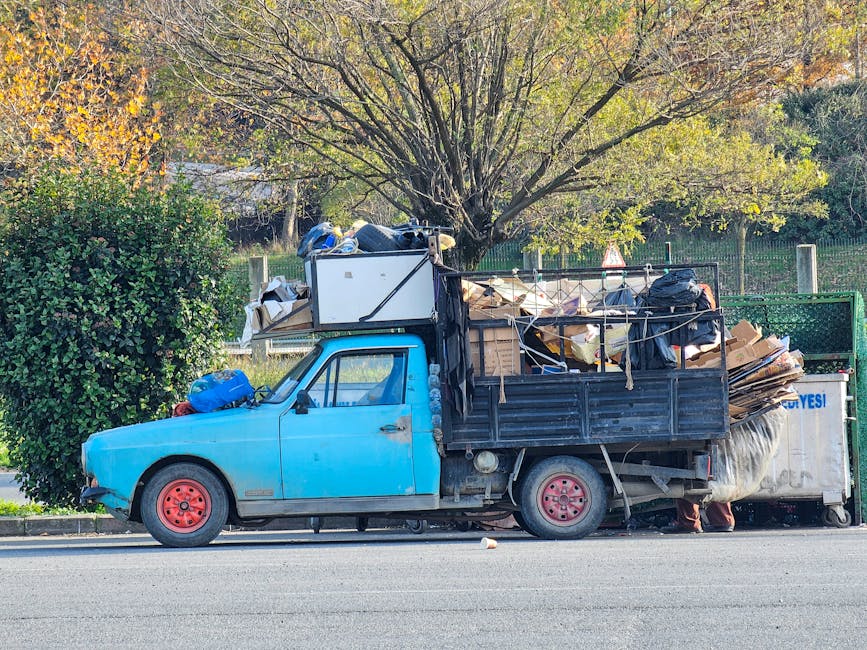
Commercial waste in Carshalton needs a service that is organised, compliant and straightforward to arrange, especially when businesses want regular collections or occasional clearances without disrupting day-to-day work. We provide a practical waste removal service for trade premises, offices, shops and other commercial settings, handling mixed non-hazardous waste streams with care and leaving room for orderly planning. The focus is on sensible collection, responsible sorting and a clear process that helps customers prepare a quotation request with confidence.
Our work covers a broad range of business waste removal tasks, from routine office clearance to bulkier furniture disposal and specialist items that need careful handling. The service is intended for customers who want one provider for a defined job rather than piecing together several separate arrangements. If you are looking for commercial waste removal in Carshalton, you can start by reviewing the available service pages and then request a quotation with the details that fit your premises and waste type.
Commercial waste is rarely just one kind of material. A single job may include packaging, obsolete office equipment, shelving, damaged fixtures, redundant stock or items left behind after a refit. Our approach is to keep the service practical and flexible within the limits of the waste categories accepted. For that reason, the pages below are useful starting points when you want to match the work to the right handling route, whether the need is for general removal, furniture clearance or something more specific.
Business Waste Removal and Office Clearance
Business waste removal suits companies that produce mixed day-to-day rubbish, while office clearance is better when desks, chairs, filing items and surplus equipment need to be removed together. The difference matters because an office clear-out often needs more than simple bin emptying: it may involve separating reusable items, moving contents safely through shared spaces and keeping the work area usable while items are taken away. A considered plan reduces confusion and helps you describe the scope accurately.
For many customers, the main decision is whether the job is a periodic collection or a one-off clear-down. Business waste removal can suit ongoing accumulation of non-hazardous material, while office clearance is usually tied to a change in layout, move or refresh. If the work involves papers and confidential material, a separate handling route may be needed, so it is sensible to identify those items early rather than assuming they can be placed with general waste. Tell us what is included, what is staying, and whether there are access restrictions such as stairs, shared entrances or loading limits.
What this service can cover
In a typical business setting, the waste to be removed may include packaging, broken chairs, redundant cabinets, small electrical items, archived materials and general clutter from back rooms or storage areas. Where office clearance is involved, the aim is to remove unwanted contents in a way that respects the working environment and any agreed timing. Customers often find it useful to group items by area or type so the collection can be priced and planned more clearly. Useful information at the start usually saves time later, particularly when the load contains bulky furniture or mixed materials.
Furniture, Fixtures and Bulky Items
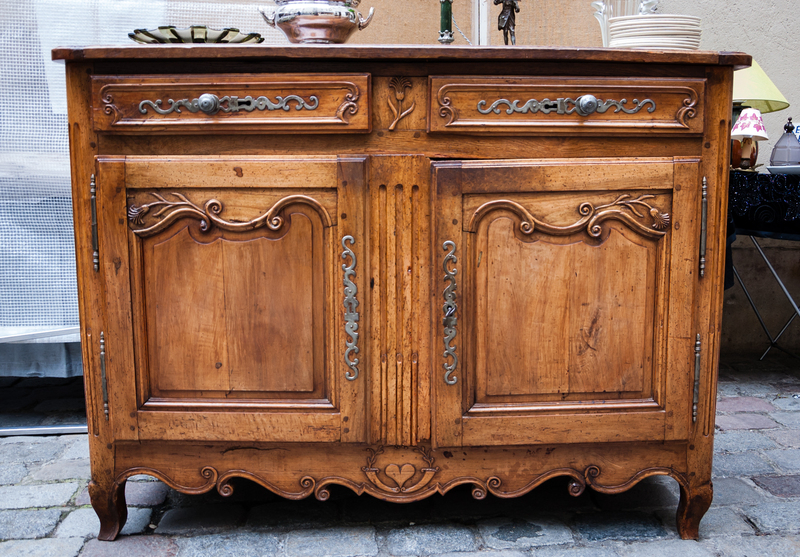
Commercial premises often need furniture and bulky-item removal as part of a wider clearance rather than as a separate project. Furniture clearance helps when chairs, tables, storage units or reception items are no longer needed, and furniture disposal is useful where the primary concern is getting large items removed and handled properly. These services matter because bulky goods can take more time to move, may need two people to carry, and can require careful routes through corridors, lifts or shared entrances.
Where offices, retail counters or customer areas are being updated, furniture removal often sits alongside other types of waste. That might include packaging from new fittings, old promotional materials, or stockroom equipment that has reached the end of its use. We handle these jobs as part of a practical waste removal service, with attention to safe lifting, route planning and sensible separation of materials. If you are comparing options, think about whether the work is mainly clearance, disposal or a broader general waste task, because the scope affects the most suitable quotation.
Customers sometimes need to remove a small number of items, while others are clearing a complete suite of furnishings. The work can be tailored to the quantity and the setting, but it is still worth noting anything that may affect the move, such as tight stairwells, limited parking or the need to avoid public areas at busy times. A clear description of the items helps us understand whether the job is a straightforward load or a more involved collection requiring extra handling time.
Clearances for Storage, Lofts and Back Areas
Commercial waste does not always sit in the main public part of a building. Garage clearance and loft clearance are useful where businesses store spare items, old displays, archive boxes or seasonal stock above or away from the primary workspace. These areas can be awkward to access and may contain a mixture of heavy, dusty or awkwardly shaped objects. A service built around proper clearance is usually better than trying to move everything in small trips without a plan.
Storage-area clearances often need a quick assessment of what is being kept and what is being removed. That is especially true where a loft, garage or back room contains items accumulated over several years, because the waste may be mixed with useful stock or equipment. The key is to separate what can stay from what should go, and to identify any contents that may need a different handling route. Clarity at the outset makes it easier to prepare an accurate quotation and reduces the chance of misunderstandings on the day.
Planning the removal route
When access is difficult, the removal route becomes part of the job. We may need to consider stairs, doors, loft hatches, internal corridors, narrow external passages or shared building access. These are practical issues rather than complications to avoid, but they should be described early so the collection can be planned properly. In many cases, customers simply need a reliable waste removal team that understands the physical shape of the job and can work through the premises without unnecessary disruption.
Household-Type Clearances for Mixed Premises
Some commercial premises contain household-style items as well as trade waste, especially where a business stores items in a mixed-use property or clears rooms after a change in layout. Home clearance and house clearance are relevant when the work includes domestic furniture, general contents or larger room-by-room removals alongside business items. The point is not that the setting changes, but that the waste mix sometimes resembles a domestic clearance and benefits from that style of planning.
These clearances can help when a property contains a blend of furniture, boxed contents, soft furnishings and miscellaneous items that need to be removed together. For commercial customers, this is often about reclaiming storage, preparing a property for handover or dealing with accumulated contents after an internal rearrangement. The practical questions are similar each time: what stays, what goes, what is bulky, and what needs careful movement through the building. A simple written summary is often enough to start the quoting process.
We keep the service broad enough to cover mixed contents without pretending that every item is handled the same way. Some materials are easier to move, some are awkward but manageable, and some require separate consideration because of their condition or composition. Where a job combines domestic-style items with business waste, it helps to list the categories together so the most suitable clearance route can be matched to the work rather than forcing it into a one-size-fits-all description.
Specialist Item Removal
Some commercial jobs involve items that are not simply bulk waste. Fridge and appliance removal is relevant for kitchens, staff rooms and customer-facing premises, while mattress and sofa disposal may apply to serviced accommodation, waiting areas or mixed-use properties. These items are bulky, often awkward to move and best treated as defined removal tasks rather than left to guesswork. Their size and shape can affect access and loading more than standard bagged waste.
Specialist item removal is most useful when there is a clear plan for a known category of object. Appliances may sit in break rooms or hospitality areas; mattresses and sofas may arise where a business also provides overnight accommodation or furnished rooms. The main question is usually not only how many items there are, but also where they are located and how they will be taken out safely. If the items are mixed with other clearance material, that should be stated from the start so the quotation reflects the full scope rather than only one part of the job.
When a commercial premises includes specific bulky items, a general waste collection may still be suitable if the overall load is straightforward. However, in practice, many customers prefer to separate the practical categories so the collection is easier to assess. That kind of organisation helps everyone: it keeps the job description concise, gives the collection team a better picture of the load and makes it easier to decide whether additional handling is required.
Outdoor, Garden and Site Waste
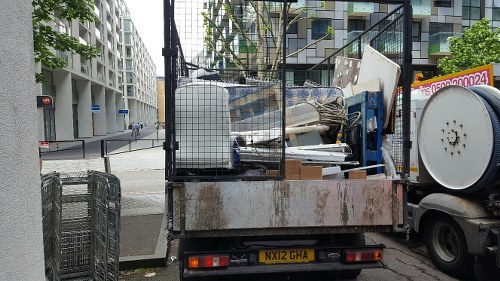
Garden clearance is helpful for commercial outdoor areas, such as forecourts, planted spaces, access routes and private service yards, where waste can build up in a different way from indoor rubbish. It may include cuttings, soil, damaged planters, broken outdoor furniture or general clutter from external storage areas. Businesses with outdoor spaces often need a collection that is practical, tidy and responsive to the way the premises are used each day.
Outdoor waste tends to be more varied than indoor waste, because it can include organic material alongside items made of wood, metal or plastic. That mixture matters when planning the clearance, because not every item behaves the same way in storage or loading. If the job includes a service yard or back-of-house area, it may be worth separating garden-type waste from trade or general commercial waste so the quotation can reflect the real work involved. This is especially useful where a site has limited access or where the waste has accumulated over time.
Some customers only need a small tidy-up after maintenance work, while others want a larger outdoor clearance as part of a wider property refresh. Either way, the service should be described in plain language: what is being removed, where it is located and whether there are any obstacles to reaching it. That approach is more useful than trying to overstate the size of the job, because accurate detail leads to a better plan and a cleaner outcome.
Hazardous and Sensitive Materials
Not every waste stream belongs in a standard commercial collection. Hazardous waste disposal is only relevant where the material requires special handling, storage or documentation, and it should be identified clearly rather than mixed casually with general waste. Similarly, confidential shredding is appropriate when documents or records need secure destruction rather than ordinary disposal. These are distinct tasks, and treating them as such helps avoid confusion when planning a quotation.
Businesses sometimes hold older stock, maintenance materials or paper records that are not suitable for the usual general waste stream. The correct route depends on what the material is and how it must be handled. If you are unsure whether an item falls into a specialist category, it is better to describe it carefully than to simplify it in a way that could mislead the collection plan. We can then consider whether the item belongs with a standard removal or whether it should be kept separate for a different handling process.
The same principle applies to mixed waste jobs that contain one or two sensitive items among ordinary commercial rubbish. It may be possible to organise the collection efficiently, but only if the specialist pieces are identified first. Clear descriptions are essential here, because specialist waste is a matter of proper handling rather than convenience. A quotation request that notes the item type, quantity and location will usually be more useful than a general request that leaves these details out.
Quotations, Access and Practical Details

Pricing for commercial waste removal usually depends on the type of waste, the volume involved, the ease of access and any specialist handling requirements. A collection from a ground-floor back entrance is different from a job that involves stairs, long carries or several separate rooms. If the waste is mixed, bulky or awkward, that can also affect the time needed. The most useful quotation request is therefore one that describes the items clearly and explains where they are located.
When you prepare an enquiry, it helps to note the approximate quantity, the premises type, the building access and any deadline connected to the work. If possible, list the main item groups together rather than describing everything as general rubbish. That gives a better basis for estimating the job and avoids back-and-forth over details that could have been included at the start. If the collection needs to fit around opening hours, deliveries or staff movement, mention that too. Simple preparation makes a real difference to how accurately the work can be planned.
Once you have reviewed the relevant service pages, the next step is straightforward: send a quotation request with the key details and we will use that information to assess the most suitable waste removal option for your premises. If you already know the main service you need, whether that is business waste removal, office clearance or a specialist item collection, you can move directly to the enquiry stage and ask for a quotation based on the actual job in front of you.
Recycling and Responsible Waste Handling
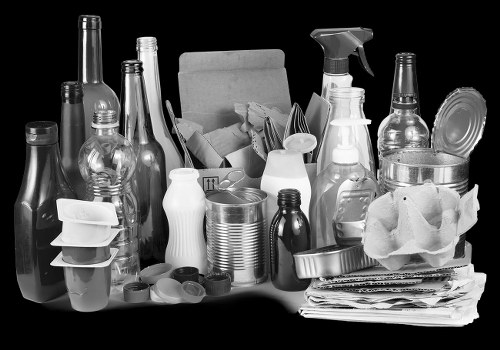
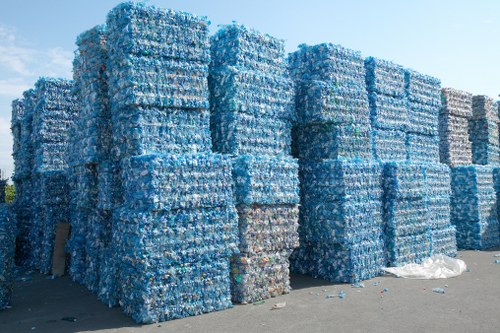
Recycling and sustainability matters because commercial waste often contains material that can be sorted more intelligently than by simply treating everything as one load. Cardboard, metals, some furniture components and other separable items may need to be handled differently from general waste. A good commercial waste service considers those distinctions without overpromising outcomes that depend on the exact mix of material being collected.
The practical aim is to manage the waste stream carefully and sensibly. That means separating what can be sorted, identifying items that need special treatment and avoiding unnecessary confusion during the collection process. Customers do not need to become waste specialists themselves, but they do benefit from knowing what kinds of items they have and whether any of them belong in a distinct category. This is especially important where the job involves clear-out material from offices, storage rooms or refit work.
Responsible handling also helps when comparing a simple general collection with a more detailed clearance. In some cases, the most efficient approach is to remove a mixed load in one visit; in others, it may be better to split waste into different groups beforehand. Either way, the decision should be based on the materials involved rather than on guesswork. If you are unsure how to describe the contents, a short, careful summary is usually enough to begin the discussion.
About Carshalton
Carshalton is a settlement in the London Borough of Sutton in south-west London, with roots that reach back well before the modern suburban period. The village core developed around the Springs and the River Wandle, and the water meadows and ponds remain a defining part of its character. Carshalton Ponds, formed by spring water, are among the best-known features of the area, giving the centre a notably green and watery feel unusual in an urban borough. The historic street pattern around the village centre still reflects older development, with a mix of period buildings, civic spaces and local shops gathered near the ponds and the high street. St Mary’s Church, with its long history and picturesque setting, is one of the area’s prominent landmarks and contributes to the sense of continuity between the older village and the surrounding residential districts. Beyond the central core, Carshalton includes a range of housing styles that reflect phases of expansion from the late nineteenth and twentieth centuries. The locality is close to open spaces such as Grove Park and The Grove, and it also benefits from nearby green corridors associated with the Wandle valley. These landscapes help shape the feel of the district, linking built streets with riverside paths, parks and smaller planted spaces. The area has a strong local identity that is tied to its historic village origins, yet it also sits within a broader suburban network, so the place combines heritage features with everyday residential life. Local architecture is varied, with older houses, terraces and later housing estates standing alongside the surviving historic centre, giving Carshalton a layered appearance that rewards closer attention. The result is a place where waterways, civic history and suburban growth meet in a relatively compact setting.