Complaints Procedure for Commercial Waste Carshalton
Purpose and Scope
 This Complaints Procedure sets out the process for handling expressions of dissatisfaction relating to commercial waste services in Carshalton and nearby service areas. It applies to issues about collections, commercial refuse handling, documentation, billing discrepancies, and service delivery by the rubbish contractor. The intention is to be clear, proportionate and fair while protecting the rights of both customers and the waste service operator.
The procedure covers businesses, premises and contractual arrangements for Carshalton commercial waste accounts, including scheduled collections, ad hoc skips and container maintenance. It is not a substitute for regulatory or legal remedies but is designed to resolve most operational disputes promptly and transparently.
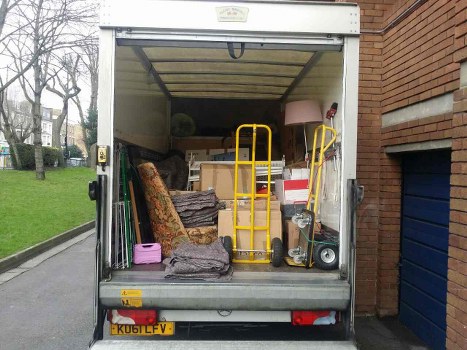 All complaints will be recorded, considered and investigated by a designated complaints officer. A complaint may be submitted in writing or via any formal communication channel accepted under the service terms; anonymity is permitted but may limit the scope of any investigation. Complaints about safety, environmental breaches or illegal dumping will be treated with priority and escalated where necessary.
How Complaints Are Acknowledged and Logged
Upon receipt, each complaint is logged into the complaints register with a unique reference number. The complainant will receive an acknowledgement that includes the reference and an overview of the next steps. We aim to acknowledge complaints promptly and make an initial determination of whether the matter falls within the remit of the commercial rubbish operator.
Initial acknowledgment seeks to confirm the details provided and to request any further information necessary to progress the investigation. Where the complaint concerns a third party or an external event, the operator will advise on the extent of its investigatory powers and expected timeframes.
 The designated officer will allocate the investigation to an appropriate team and set an initial target for resolution. For straightforward operational issues this may be within 10 working days; more complex matters that require on-site inspection, third-party liaison or detailed records review may take longer. Any extension will be documented and communicated to the complainant.
Investigation and Evidence
Investigations will consider relevant records such as collection logs, vehicle GPS tracks, service tickets, invoice histories and photographic evidence where available. Staff statements and site inspections may also be part of the review. The aim is to establish the facts, identify root causes and recommend remedial action where appropriate.
Where the complaint relates to alleged regulatory non-compliance, the findings will be assessed against applicable waste management regulations and contractual obligations. If a breach is identified, corrective actions will be proposed and implemented in line with policy.
Throughout the investigation, confidentiality will be respected to the extent permitted by law. Records of the complaint and its outcome will be retained in accordance with data retention policies and relevant legal requirements.
Outcomes and Remedies
Possible outcomes following a complaint investigation include: a formal apology, corrective operational measures, an offer of compensation where loss or damage is proven, or a formal explanation if the service provided met contractual terms. The operator will note any systemic issues and implement service improvements where practicable.
Decisions on remedies are made objectively and in proportion to the issue found. Remedies do not constitute admissions of liability beyond what is established in the investigation. Where remedy involves changes to ongoing service arrangements, these will be documented and implemented in consultation with the affected account holder.
 If the complainant remains dissatisfied with the outcome, the complaint may be escalated internally to a senior review panel. This review is limited to the scope of the original evidence and any additional information supplied by the complainant at the time of escalation. The panel will provide a final position and rationale for its decision.
Recording, Monitoring and Continuous Improvement
 All complaints and resolutions are recorded and subjected to periodic review to identify patterns, training needs and opportunities for service improvements. Data is used in a de-identified manner for trend analysis and operational planning to reduce recurrence of common issues affecting commercial rubbish collection in the area.
The complaints register supports ongoing quality assurance and is available to authorised internal auditors. Management reviews include analysis of response times, resolution rates and the effectiveness of corrective measures implemented across the commercial waste operations.
Key procedural elements are summarised below for clarity:
- Receipt and acknowledgement with a unique reference;
- Allocation to a complaints officer and preliminary assessment;
- Investigation using operational records and, where necessary, site visits;
- Decision and proposed remedy with a documented rationale;
- Opportunity for internal escalation and a final review;
- Retention of records and periodic trend analysis.
Principles and Legal Considerations
The procedure is governed by principles of fairness, transparency and proportionality. It respects statutory obligations relating to waste management, data protection and environmental law. While the process aims to resolve disputes effectively, it does not replace formal legal or regulatory avenues where those are appropriate.
Complainants are encouraged to provide clear, relevant information to assist prompt resolution. The operator will communicate decisions in plain language and record the reasons for findings. Where a complaint reveals systemic failings, the operator commits to proportionate remedial action and to monitoring outcomes to prevent recurrence.
This complaints procedure is reviewed periodically to ensure it remains effective for the commercial waste sector and for businesses served by local rubbish and waste removal operations. It reflects a balance between operational practicality and rights of complainants, and it aims to maintain public confidence in commercial waste services across the covered service area.
