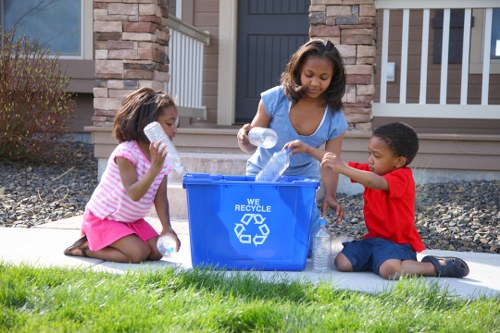
Commercial Waste Carshalton: Recycling and Sustainability in the Local Eco-Friendly Waste Disposal Area
Commercial Waste Carshalton champions a practical, measurable approach to creating a more sustainable rubbish area across shops, offices and light industrial sites. Our local focus on eco-friendly waste disposal area principles supports businesses in the London Borough of Sutton and neighbouring communities to reduce landfill, increase reuse, and divert resources back into the local economy. This page outlines targets, transfer options, charity partnerships and fleet investments that underpin a resilient circular model for commercial waste in Carshalton.Our Recycling Percentage Target and Timeline
The programme sets a clear recycling target: reach a 70% recycling rate for commercial waste by 2030, with an interim target of 60% by 2026. These metrics are informed by borough-level ambitions and the pragmatic realities of business waste streams. To achieve these numbers we prioritise source separation, improved bin signage, regular waste audits and targeted recycling routes that maximise capture of dry recyclables, glass, organics and bulky items.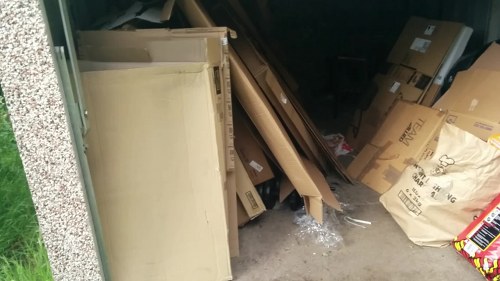 The borough's approach to waste separation plays a key role: many businesses are encouraged to follow the Sutton model of separate streams for paper and card, mixed dry recycling, food/organic waste and general refuse. Carshalton commercial recycling activity commonly includes cardboard baling from retail, segregated glass and bottles from hospitality, and kitchen organics from cafés. These local practices make it easier to report progress against the recycling percentage target and to funnel materials to the right processing centres.
Local Transfer Stations & Materials Handling
Commercial waste in Carshalton is moved efficiently through several nearby transfer stations and Materials Recovery Facilities (MRFs) operated by regional waste partners. These facilities provide capacity for sorting, bulking and onward transport to specialist processors—ensuring materials captured on-site become inputs for recycling rather than landfill. We work to reduce double handling and to prioritise local processing where possible to shrink transport emissions.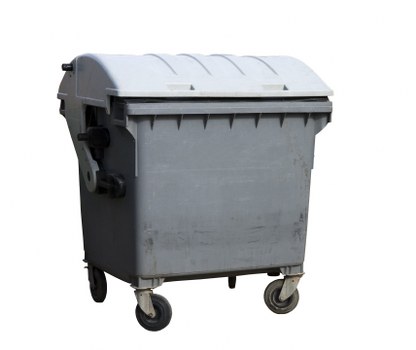
Partnerships with Charities and Reuse Organisations
Strong partnerships amplify reuse and social value. We coordinate with local charities and redistribution networks to divert usable goods—furniture, textiles, working electricals—away from disposal and into community reuse. These collaborations support local social enterprises and help meet corporate responsibility goals while reducing the amount of waste entering the recycling or residual streams.Examples of commercial recycling activity supported via these partnerships include:
- Furniture and fixtures redirected to social housing projects.
- Surplus food redistributed through local food charities and redistribution networks.
- WEEE (electronics) responsibly collected and either refurbished or processed at authorised facilities.
Low-Carbon Vans and a Greener Collection Fleet
To reduce the carbon footprint of collections, our services deploy low-carbon vans across Carshalton routes. These include electric vans, hybrids and optimised LPG/Euro 6 vehicles where appropriate. Route optimisation software is used to limit mileage and idle time, while consolidated collections reduce the number of vehicle movements in the local area—supporting both air quality objectives and lower operational emissions for commercial waste collections.Fleet improvements are paired with practical on-site changes for clients: dedicated recycling points, employee training, and compacting solutions that reduce collection frequency without compromising capture rates. The combined effect is a lower-carbon, higher-efficiency approach to commercial rubbish management that benefits both business costs and local environment.
 Creating a Sustainable Rubbish Area: On-Site Systems and Best Practices
Developing a sustainable rubbish area starts with design and operational practice: clear signage, segregated containers, covered storage to prevent contamination, and scheduled monitoring. We encourage businesses to adopt:
- Segregation at source for organics, dry recyclables, glass and residuals.
- Designated reuse zones for items suitable for charity pickup.
- Documentation and reporting that tracks progress toward the recycling percentage target.
Moving Forward: A Circular Vision for Carshalton Commercial Waste
Commercial waste Carshalton initiatives are grounded in measurable outcomes, local collaboration and clean logistics. By combining ambitious recycling targets, accessible local transfer stations, meaningful charity partnerships and low-carbon vans, the area can transition from a linear disposal model to a resilient circular system. Businesses that adopt these practices help create a visible and effective eco-friendly waste disposal area and a community where a sustainable rubbish area is the norm rather than the exception.Our collective ambition is to deliver environmental benefits, social value and economic efficiency. With ongoing monitoring, incremental improvement and continued investment in low-emission collections and reuse partnerships, Carshalton commercial recycling can meet and exceed local expectations—turning waste into resource, supporting charities, and cutting carbon every step of the way.
