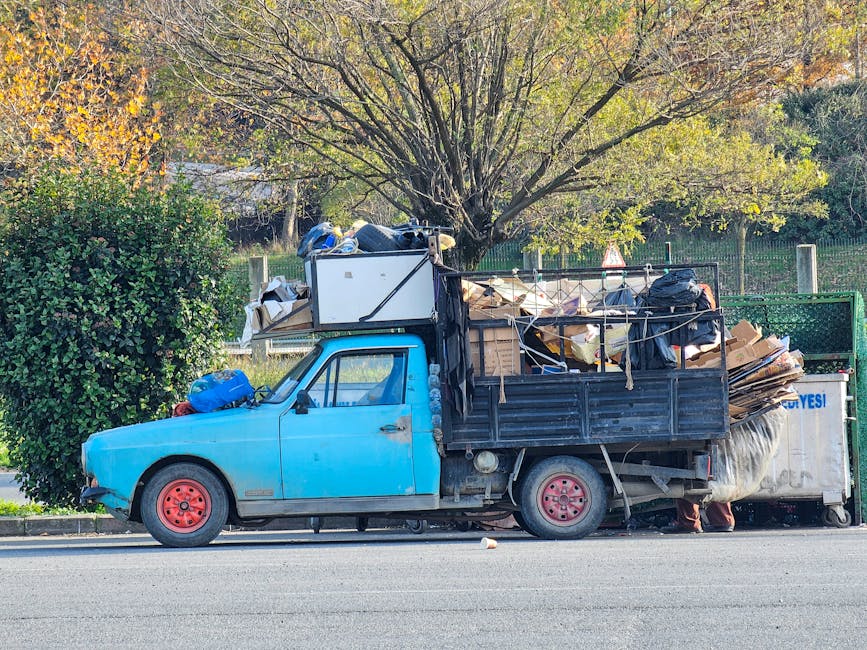
Carshalton Ponds Bulk Rubbish Pickup and Clearance Tips
If you are staring at a pile of broken furniture, garden cuttings, old appliances, or renovation offcuts near Carshalton Ponds, you are probably after one thing: a clear, safe, and sensible way to get it gone. Carshalton Ponds bulk rubbish pickup and clearance tips are less about fancy theory and more about making the whole job quicker, cheaper, and less stressful. That might mean sorting what can be reused, choosing the right clearance method, or simply avoiding the awkward mistake of putting the wrong thing out at the wrong time.
Truth be told, bulk rubbish can snowball quickly. One weekend tidy-up becomes a hallway full of bagged waste, then suddenly you are wondering how on earth a sofa, a broken wardrobe, and three boxes of mixed junk all ended up in the same corner. This guide breaks the process down in plain English, with practical steps, local-minded advice, and the kind of common-sense tips that save time when the pressure is on.
Table of Contents
- Why Carshalton Ponds bulk rubbish pickup and clearance tips Matters
- How Carshalton Ponds bulk rubbish pickup and clearance tips Works
- Key Benefits and Practical Advantages
- Who This Is For and When It Makes Sense
- Step-by-Step Guidance
- Expert Tips for Better Results
- Common Mistakes to Avoid
- Tools, Resources and Recommendations
- Law, Compliance, Standards, or Best Practice
- Options, Methods, or Comparison Table
- Case Study or Real-World Example
- Practical Checklist
- Conclusion
- Frequently Asked Questions
Why Carshalton Ponds bulk rubbish pickup and clearance tips Matters
Bulk rubbish clearance matters because it affects more than just appearance. A messy pile can block access, create trip hazards, attract pests, and turn a simple tidy-up into a half-finished job that hangs over your day. Around a busy residential area, that sort of clutter can also be awkward for neighbours, visitors, or delivery access. Nobody wants to drag a mattress through a narrow path at the same time the bins are out. It is not exactly a joyful task.
Good clearance habits also matter because not all waste is the same. A mixed load can include recyclable items, bulky furniture, electrical items, and occasionally something that needs separate handling, such as paints or chemicals. If you treat everything as one pile, you risk wasting space, wasting money, and making disposal harder than it needs to be. A little planning up front usually saves a lot of backtracking later.
There is also a real practical value in understanding the process before you begin. If you know what counts as bulky waste, what must be separated, and how access affects collection, you are much less likely to be caught out on the day. That is especially useful if you are clearing a loft, garage, shed, or rented flat where time is tight and the space is awkward.
Expert summary: The best bulk rubbish pickup is not the one that moves the most stuff in one go. It is the one that is sorted properly, safe to lift, ready for collection, and matched to the right disposal route.
If you are dealing with furniture, appliances, or mixed household waste, it can also help to look at related services such as furniture clearance, fridge and appliance removal, or broader waste removal options. That keeps the job focused instead of becoming a do-everything-at-once headache.
How Carshalton Ponds bulk rubbish pickup and clearance tips Works
At a practical level, bulk rubbish pickup usually works in a few stages: identify the waste, sort it into sensible groups, make sure it can be collected safely, then arrange pickup or clearance. Simple enough on paper. In reality, it is the sorting that makes or breaks the day.
Start by separating items into categories: reusable, recyclable, general bulky waste, electrical items, and anything potentially hazardous. This first pass does not have to be perfect. It just has to stop everything from becoming one huge mountain of mixed material. Once the waste is grouped, you can decide whether the job is best handled as a one-off clearance, a room-by-room removal, or a more structured skip-style approach. If you are unsure what can go in a skip, the guide on what can go in a skip is a useful place to sense-check the basics.
Next comes access. Can a van or crew get close enough to the property? Is there a narrow path, a set of steps, or a shared entrance to work around? These details matter more than people expect. A clearance job that looks small from the front room can become fiddly very quickly once you realise the sofa will not fit round the corner. You know the sort of thing.
Then comes the actual pickup. A well-run clearance usually includes loading, sorting for recycling where possible, and responsible disposal. For some households, that means a single visit. For others, especially where there is a mix of furniture, loft clutter, and older items tucked away in storage, it may be smarter to split the work into stages. If you are clearing a fuller property, home clearance, house clearance, or even loft clearance may fit better than a one-size-fits-all pickup.
Key Benefits and Practical Advantages
Once you approach bulk rubbish properly, the benefits are very noticeable. The first is speed. A clear plan means less wandering around deciding what to move next. The second is safety. Heavy or awkward items are less likely to be dragged, tipped, or lifted badly. That might sound obvious, but it is often the bit people skip when they are in a rush.
Another benefit is better use of space. If you separate furniture from loose waste, and hard items from soft items, you can usually fit more into fewer collections. That can reduce the number of trips or the amount of vehicle space needed. It is a small thing, but those small things add up.
There is also a strong environmental upside. Sorted waste is easier to recycle, and reusable items are easier to divert away from disposal altogether. For people who want a cleaner, more responsible approach, the page on recycling and sustainability is worth a look because it supports a better outcome than "just take it away" thinking.
And yes, it is calmer. That matters more than people admit. A tidy space changes how a room feels. Morning light hits the floor, the door opens properly, the air moves again. It sounds a bit dramatic, maybe, but if you have ever cleared a cluttered room, you will know exactly what I mean.
Who This Is For and When It Makes Sense
This kind of clearance is useful for homeowners, tenants, landlords, letting agents, small businesses, and anyone dealing with a sudden build-up of bulky items. It is especially handy after a move, a refurbishment, a spring clean, or a long-overdue sort-out of the garage. If there is a room in your property that has quietly become a holding zone for things nobody wants to think about, this is for you.
It also makes sense when you do not have the time, transport, or physical capacity to shift everything yourself. Not every household has a van, a spare pair of strong hands, and a free Saturday. In fact, most do not. And even if you do, lifting wardrobes, beds, or old appliances is not something to take lightly.
Businesses can benefit too. Offices, shops, and workspaces often accumulate packaging, broken chairs, shelving, and archived items that need clearing without disrupting the day. In those cases, office clearance or business waste removal may be the better route. For construction-related waste, builders waste clearance is usually a better fit than household collection.
There is no single "best" answer. The right choice depends on what you are clearing, how much of it there is, and how quickly you need the space back. That is the honest version, and it helps to start there.
Step-by-Step Guidance
Here is a practical way to handle bulk rubbish pickup without the usual faff.
- Walk the site first. Look at every item you want removed and note anything broken, sharp, damp, very heavy, or awkwardly placed.
- Sort by type. Put furniture, electricals, bagged waste, scrap, and possible hazardous materials into separate groups where possible.
- Remove the obvious keepers. It sounds basic, but keep anything you still need out of the clearance zone. Once the pile starts moving, things can get mixed up fast.
- Measure the access. Check doors, hallways, steps, gates, and parking constraints. A few minutes here can save a major headache later.
- Set aside restricted items. Paints, solvents, chemicals, gas canisters, and similar materials should not be casually mixed in with general waste.
- Break down what can safely be dismantled. Flatten cardboard, remove table legs if sensible, and separate loose components where doing so is safe.
- Take a quick photo record. This is useful for planning, pricing, and avoiding confusion over what is being removed.
- Choose the collection method. Decide whether the job needs a van clearance, skip hire, or a specialist removal for mattresses, appliances, or furniture.
- Confirm the handover details. Make sure someone is available, the items are accessible, and any parking or entry instructions are clear.
- Check the area once it is done. A final sweep for screws, dust, packaging, and small leftovers makes the space genuinely ready to use again.
If the pile includes bulky household items, it can be worth separating out anything that needs special handling, such as mattress and sofa disposal or furniture disposal. That keeps the rest of the job simpler and cleaner.
Expert Tips for Better Results
The best tip is to sort before the pile gets too big. A room cleared in stages is nearly always easier than a single giant mound dumped in the middle of the hallway. If you are clearing a garage, for example, start with one wall and work across. That way you see progress, which helps keep the momentum going. Progress matters. It really does.
Second, keep an eye on weight distribution. One overfilled bag of rubble or soaked garden waste can be far more awkward than three lighter bags. Heavy items should be grouped sensibly and placed where they can be lifted without drama. Nobody enjoys the "this looked lighter yesterday" experience.
Third, think about reuse before disposal. A solid chair, a serviceable table, or a working appliance may still have life left in it even if you do not want it anymore. Good clearance work often starts with a simple question: can this be reused, repaired, or passed on? If the answer is yes, do that before it gets loaded with general waste.
Fourth, protect floors and shared spaces. Old towels, cardboard runners, or a simple clear path can stop a lot of scuffs and scraping. It is a small bit of prep that makes a big difference in flats and narrow entrances. For compact properties, flat clearance services are often better suited than trying to do everything yourself in one rush.
Finally, be realistic about what you can safely lift. If an item needs two people, get two people. If you are twisting, dragging, or muttering under your breath before you have even started, that is your cue to stop and rethink. Seriously.
Common Mistakes to Avoid
One of the biggest mistakes is mixing everything together and hoping it will sort itself out later. It usually will not. Mixed waste slows down clearance and can make recycling harder. Another common issue is leaving bulky items until last, when the space is already packed with smaller waste. That is how you end up trapped behind a wardrobe and wondering where your morning went.
People also underestimate access. A collection may look straightforward until you realise the route out includes a tight corner, a wet patch, or a neighbour's bike you forgot to move. Little details. Always the little details.
Another mistake is ignoring restricted items. Certain materials need separate handling, and putting them in the wrong stream can create safety issues. If you are uncertain, step back and treat the item as a separate category. Better to pause than to guess.
Finally, some people focus too much on "getting it out" and not enough on what happens after. A proper clearance should leave the space swept through, checked, and ready for use. A room full of dust, screws, and scraps is not really finished, is it?
Tools, Resources and Recommendations
You do not need a warehouse full of gear to handle bulk rubbish well. A few simple tools make the process far easier:
- Heavy-duty bin bags for loose waste
- Work gloves with a good grip
- A tape measure for doors and larger items
- Labels or marker pens for sorting
- Cardboard sheets or blankets to protect floors
- A screwdriver or hex key for safe dismantling
- A torch for lofts, garages, or dim corners
For larger jobs, it helps to know your disposal options. If the load is mostly general rubbish, waste removal may be the simplest answer. If the job is mostly furniture, then a dedicated furniture route is cleaner and easier. If it is appliance-heavy, look at specialist removal. For paint tins, chemicals, or other sensitive items, use the safest route available and do not force them into a general mixed load.
There is also a smart admin side to this. If you want to understand pricing or ask about collection fit, pricing and quotes is the right place to start. If you prefer a simple booking flow, book online can help you move from planning to action without a lot of back-and-forth.
And if you are checking the company behind the service, a quick read of about us and insurance and safety can be reassuring. Not glamorous, maybe, but useful. Very useful.
Law, Compliance, Standards, or Best Practice
When dealing with rubbish and clearance in the UK, the safest approach is to follow proper waste handling practice and avoid assumptions. In plain English, that means making sure waste is passed to a legitimate carrier, separated where necessary, and handled responsibly. If you are a business, you should be especially careful about your duty of care and record-keeping. Household users should still be cautious, because once waste leaves your property, it should not become somebody else's problem.
Best practice also means treating hazardous or specialist items with care. Things like fridges, appliances, old electronics, chemicals, and contaminated materials may need separate handling. If you are unsure, do not just bundle them in with everything else. That is where people get into avoidable trouble.
For businesses and landlords, compliance is not just about disposal. It is also about keeping the site safe while the work happens. Clear walkways, sensible lifting, and secure storage for items awaiting collection are all part of a proper standard. If you want a company perspective on this side of the work, the pages on health and safety policy and complaints procedure show the sort of structure a reliable service should have in place.
For items containing personal information, such as old paperwork from an office or a home office clear-out, it is wise to use a dedicated route like confidential shredding rather than simply throwing documents into mixed waste. That small extra step can save a lot of regret later.
Options, Methods, or Comparison Table
Different clearance methods suit different situations. The table below gives a practical comparison, not a perfect formula, because real jobs vary a lot.
| Method | Best for | Strengths | Possible drawbacks |
|---|---|---|---|
| Manual self-clearance | Small loads, a few bags, light furniture | Low upfront cost, flexible timing | Time-consuming, lifting risk, transport needed |
| Van-based bulk pickup | Mixed household waste, bulky items, quick clear-outs | Fast, convenient, minimal disruption | Requires good sorting and access planning |
| Skip-style approach | Ongoing work, renovation waste, repeat loading | Good for phased clearances, easy on-site loading | Needs space, understanding of accepted waste types |
| Specialist item removal | Appliances, mattresses, sofas, confidential paper, restricted items | Safer handling, better compliance | Not suitable for everything in one go |
For example, a garage full of mixed clutter might suit a bulk pickup. A loft packed with old boxes and a couple of wardrobes may be better handled as a staged clearance. A kitchen refit with bagged waste and offcuts may lean toward builders waste clearance. It is rarely one-and-done for every property, and that is fine.
Case Study or Real-World Example
Here is a realistic scenario. A homeowner near Carshalton Ponds has spent two weekends clearing a spare room that became a catch-all for old office chairs, a broken chest of drawers, a mattress, bags of paperwork, and a couple of appliance leftovers. At first glance, it looks like one enormous mess. But once it is sorted into categories, it becomes manageable.
The paperwork goes aside for confidential handling. The mattress and sofa pieces are separated for dedicated removal. The furniture is stacked together by size. Loose items are bagged. The route to the front door is cleared, and protective cardboard is put down in the narrow hallway. Nothing fancy. Just organised.
On collection day, the actual loading is much smoother because no one has to stop and ask, "Is this going too?" or "Where did that come from?" The room ends up clean, the hallway stays tidy, and the homeowner is left with a genuinely usable space again. That is the point, really. Not just empty. Usable.
Now, not every job is that tidy. Sometimes there is rain, sometimes a broken item is heavier than expected, and sometimes someone has tucked three extra boxes into the corner "just for now." Still, a bit of structure makes the whole process much less painful.
Practical Checklist
Use this before any bulk rubbish pickup or clearance:
- Identify everything that needs removing
- Separate reusable, recyclable, and general waste
- Isolate hazardous or restricted items
- Measure access points and doorway widths
- Check parking or collection access if needed
- Break down safe-to-dismantle items
- Protect floors and walls on the collection route
- Keep personal documents or valuables out of the pile
- Take quick photos if you want pricing clarity
- Confirm the collection time and who will be present
- Do a final sweep for screws, glass, and small debris
If the job involves larger domestic items, you may also want to consider garage clearance, garden clearance, or house clearance depending on where the clutter has built up. The more specifically you match the service to the mess, the easier the day becomes.
Conclusion
Carshalton Ponds bulk rubbish pickup and clearance tips come down to one simple idea: sort first, lift safely, and choose the right route for the waste you actually have. That approach saves time, reduces stress, and makes the final result feel properly finished rather than half-done. Whether you are clearing one room, a garage, a loft, or a full property, the same rule applies. A little preparation goes a long way.
And if you are standing there looking at a pile of stuff that seems to have grown overnight, do not worry. That happens more often than people admit. Start with one corner, one category, one bag at a time. Small wins add up quickly.
Get a free quote today and see how much you can save.
Frequently Asked Questions
What counts as bulk rubbish in a Carshalton Ponds clearance?
Bulk rubbish usually means larger or awkward items that are not suitable for normal bin collections, such as furniture, mattresses, appliances, garden waste, or mixed household clutter. If it is too large, too heavy, or too much for standard bins, it generally falls into this category.
Can I mix furniture, bags of waste, and old appliances together?
You can sometimes load mixed items together, but it is usually better to sort them first. Furniture, electrical items, and general rubbish are handled more efficiently when separated. It also helps reduce the risk of damaged items or rejected waste.
What should I do with a broken fridge or freezer?
Fridges and freezers should be treated as specialist items rather than ordinary bulky waste. They often need dedicated removal because of their size and component parts. A specific service like fridge and appliance removal is usually the safer option.
Is it better to use a skip or a bulk pickup?
It depends on the job. A skip is often useful for ongoing work or phased loading, while a bulk pickup can be better for a one-off clear-out where you want everything removed quickly. The best choice comes down to access, waste type, and how much sorting you want to do yourself.
How do I prepare for a clearance if access is tight?
Measure doorways, clear hallways, move loose obstacles, and protect floors where people will carry items through. If you have stairs or narrow turns, mention that upfront. A clear route is one of the simplest ways to avoid delays.
What happens to reusable items during clearance?
Reusable items may be separated from general waste if they are still in decent condition. That can include furniture, shelving, or other household items that do not need to be scrapped. Good clearance practice is always to check whether something has a second life before disposing of it.
Can I include old paperwork and documents with general rubbish?
It is better not to, especially if the paperwork contains personal or business information. Confidential shredding is a safer choice for sensitive documents. It is a small extra step, but one that can prevent avoidable privacy issues.
How do I know if something is hazardous waste?
If an item contains chemicals, solvents, strong cleaning products, paint, oils, or other potentially harmful substances, treat it carefully. When in doubt, keep it separate from general waste and ask for guidance before loading it in with everything else.
What are the most common mistakes people make during bulk rubbish pickup?
The most common mistakes are poor sorting, underestimating access, leaving heavy items to the end, and forgetting restricted materials. Another classic error is assuming everything will fit without measuring first. It often does not. Not even close sometimes.
How can I keep the clearance process environmentally responsible?
Sort items before collection, separate recyclables where possible, and keep reusable items out of the waste stream. Choosing a service with a recycling focus helps too. For a better overview of responsible disposal, the recycling and sustainability page is a helpful companion read.
What if I only need part of a property cleared?
That is very common. You do not need a full house clearance if the job is just the garage, loft, flat, or office. Matching the service to the space helps keep the process efficient and avoids paying for more than you need.
How do I get a quote without making the process complicated?
The easiest way is to gather a rough list or a few photos of the items, note any awkward access, and ask for pricing based on the actual load. If you want to move ahead quickly, the book online option is there as well. Keep it simple. That usually works best.
A clear space has a way of settling the mind, even on a grey day. Start with the pile, and the rest usually follows.